
Blog · The coach
Jason Lara: From Division I Wrestling to the Mat Sense Coaching Room
A sourced look at Jason Lara’s Michigan and Oregon State career, youth coaching, World Team experience and Mat Sense work in San Diego.
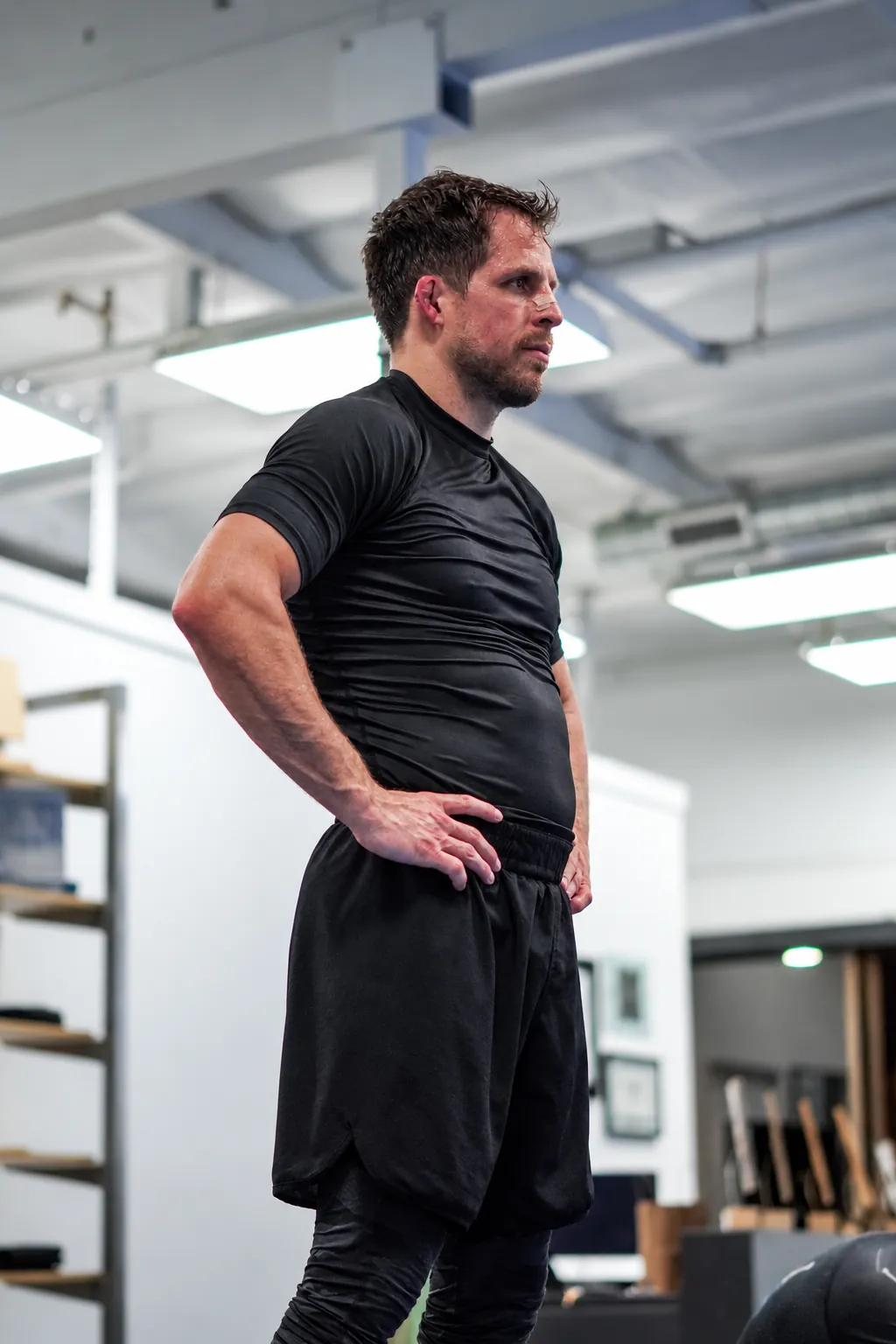
A coaching biography ought to tell you more than where someone wrestled. It should help you understand the experience behind the person you are trusting with your athlete. Jason Lara’s path connects Southern California high school wrestling, two Division I programs, youth development and international competition. Here is what the public record actually supports—and what that can help a family ask when choosing a coach.
Southern California to Michigan
Lara came to college wrestling from Calvary Chapel High School in Southern California. Michigan’s recruiting announcement records a 2007 California state title at 119 pounds, the Dave Schultz Champion of Champions Award at that state tournament and a 44–5 senior season. It also lists a fifth-place finish at the 2007 Senior Nationals. These are specific results, not a general claim about being an elite prospect. Michigan’s announcement places him in its incoming 2007–08 class.
The university’s 2007–08 roster lists Lara as a freshman at 125 pounds. That gives the first clear college stop in his story. It does not make him a Michigan All-American or national champion; those are different distinctions, and neither is being claimed here.
The Oregon State years
Oregon State’s 2018 coaching announcement describes Lara’s Beavers career from 2009 to 2012 at 125 and 133 pounds. It identifies him as a two-time NCAA Championships participant, in 2010 and 2011, and a two-time conference finalist. Those experiences put him inside the daily demands of Division I training and the pressure of qualifying for a national tournament.
A contemporaneous Oregon State NCAA notes sheet adds useful detail: he earned his 2011 NCAA bid after finishing second at the Pac-10 Championships. The conference name matters. Although a later biography uses Pac-12, the tournament in that 2011 record was the Pac-10. The same sheet records fourth-place finishes at the Las Vegas Invitational and Southern Scuffle during that season.
From competing to developing athletes
Lara’s college connection did not end with his own matches. Oregon State announced his return as an assistant coach in October 2018, after two years as director of operations. The announcement also credited his earlier work with youth national champions, state champions and an athlete who had finished fifth at a United World Wrestling Championships.
There is a named youth connection in the record, too. A June 2018 Oregon State FALL Club post identifies Lara as Chance Lamer’s Orange Crush coach after Lamer won the Cadet freestyle World Team Trials at 45 kilograms. It is a reminder that a coach’s work includes the years before a major result, not just the day the athlete makes a team.
Across his coaching career, Lara’s athletes include three World Team members and two World medals, and 13 of the wrestlers he has coached have gone on to Division I universities.
A documented World Team connection
USA Wrestling’s 2021 Cadet World Team Trials report lists James Rowley of Mat Sense Wrestling as the 80-kilogram winner. Rowley later won silver at the Cadet World Championships in Budapest, according to USA Wrestling’s medal report. Separately, a National Wrestling Hall of Fame account lists Jason Lara among the personal coaches at that event.
That supports describing World Team coaching experience. It does not mean Lara was the national head coach, nor that one coach alone produced an athlete’s medal. Athletes develop with families, teammates and multiple coaches. Precise language respects both the achievement and the people behind it.
What this means for a family in San Diego
Lara is now based in San Diego, as confirmed directly for this site. San Diego Move Wrestling also lists him as a lead instructor. His work extends into grappling: Atos BJJ OnDemand publishes a Foundations of Wrestling series taught by Lara. Neither listing should be read as a promise about where your private lesson takes place; confirm the venue when you inquire.
The useful next question is not simply “How good was he?” It is “What will he see in my athlete, and how will we work on it?” Mat Sense describes an initial assessment of movement, positional strength and technical proficiency. Start there. Share the athlete’s experience and goals through Request a Lesson, explore Coach+ for a team curriculum, or read about the Georgia camp. The background opens the conversation; the training plan should fit the athlete in front of the coach.
Reading a coach’s record well
Any coaching résumé, including this one, is worth reading carefully. Look for named events, dates and sources rather than broad labels. Ask how a coach works with athletes at your child’s level, not only with the most accomplished people they have met. A strong record is a reason to start a conversation, and the first lesson is where you find out whether the fit is right.