
Blog · Match analysis
How to Turn Wrestling Match Film Into a Better Practice Plan
A practical guide to choosing match footage, spotting repeatable patterns and turning film feedback into focused wrestling practice.
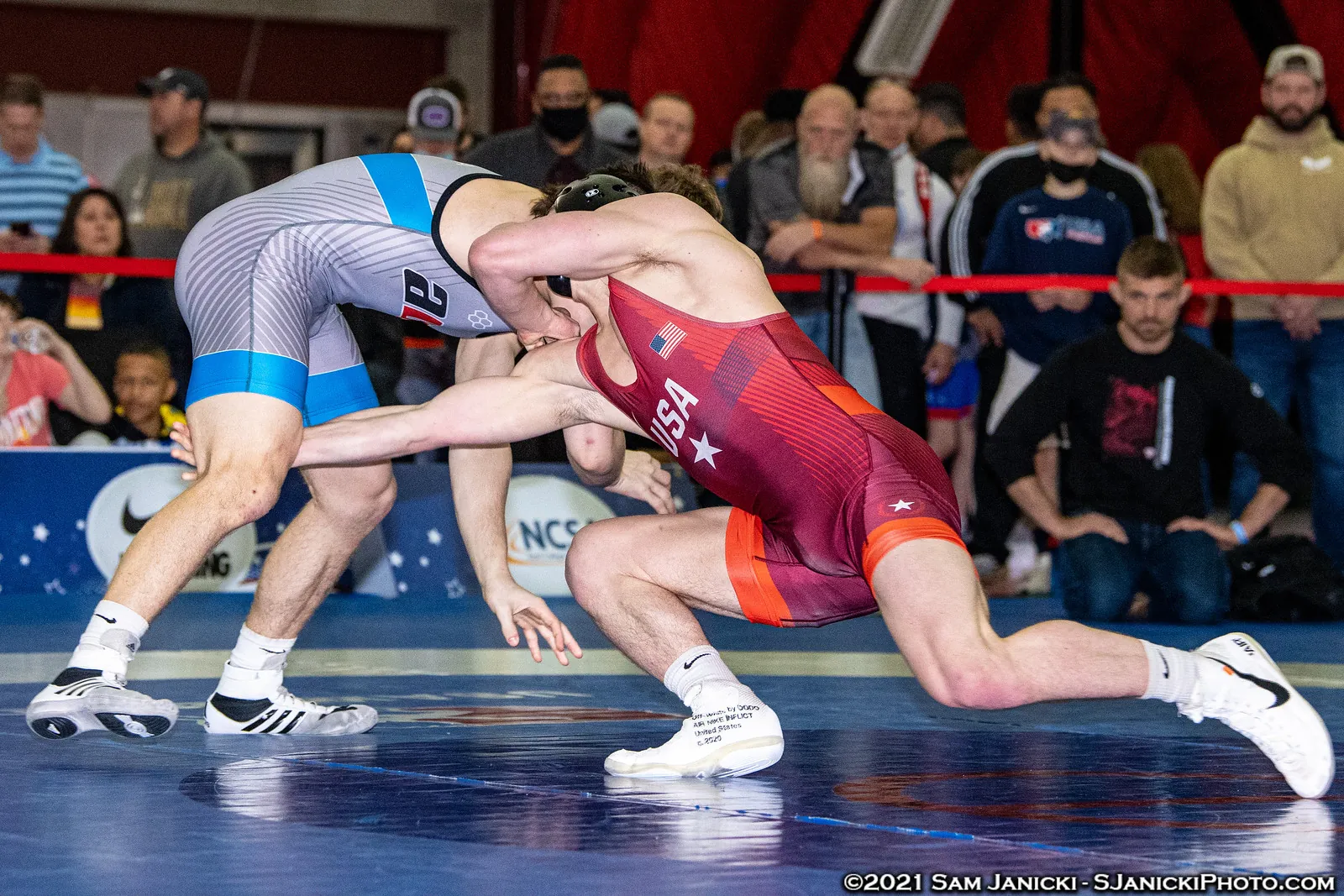
A match can feel completely different from the inside. The athlete remembers the scramble, the crowd remembers the score, and the parent remembers the final whistle. Film gives everyone a shared starting point. Its value is not in replaying a mistake until it hurts. It is in finding something specific enough to improve at the next practice.
Start with a question, not a verdict
“Why did I lose?” is understandable, but it is too large to guide a useful review. Try a narrower question: Why did my first attack stall? What happened before my opponent got to a leg? Was I giving up position on the edge? A smaller question helps separate a trainable action from the emotion attached to the result.
Review wins as well as losses. A win can hide a recurring positional problem; a loss can contain a sound decision that nearly worked. The goal is to understand choices and reactions, rather than to build a highlight reel or an argument about who deserved the match.
Choose footage a coach can actually use
A full match is usually more useful than a ten-second clip because the setup may explain the finish. Keep both athletes in frame, leave enough space to see the boundary and avoid cutting away during restarts. If possible, include the scoreboard without sacrificing a clear view of the wrestling. Ordinary steady footage is more valuable than dramatic camera movement.
Send the ruleset, the athlete’s singlet color and one or two questions with the link. Freestyle, folkstyle and grappling reward different decisions. If a clip begins late or the score is missing, say so. Those small pieces of context keep a review from turning into guesswork. Use a link you have permission to share, especially when footage includes minors.
Watch the moment before the moment
The obvious error is often the last event in a longer chain. An unfinished shot might begin with an entry from too far away. A scramble might follow a lost angle. Instead of stopping only at the point scored, rewind to the hand fight, stance or pressure that created the situation. Ask what options were available before the athlete became committed.
This is not an invitation to label every movement wrong. Pick out repeated situations. If the same position appears three times, it may deserve more practice attention than one unusual scramble. A useful note describes what happened in observable terms: “the opponent cleared the tie before the attack,” rather than “not aggressive enough.”
Turn observations into a short list
A long list of corrections can leave an athlete with no clear priority. Write down one thing to keep and one thing to improve. The positive item matters: it tells the athlete which successful action is worth repeating. The improvement should be narrow enough that a partner can help recreate it.
For example, “improve all takedowns” is not a session plan. “Get to the entry position without reaching from too far away” is closer to one. Your coach can choose the appropriate drill, resistance and progression. Film identifies a question; live coaching tests whether the proposed answer works when another athlete reacts.
Connect the review to the training room
Bring the selected position to practice rather than trying to repair everything at home. Start with the coach’s explanation, then ask what a successful repetition should look like. Keep the language consistent so the athlete is not hearing three different corrections from the team coach, private coach and parent.
After some practice, review a later match or a short supervised training clip for the same situation. Look for a better decision or a more stable position, not only a different final score. Opponents vary, so a single win or loss is a noisy measure of whether a technical change is taking hold.
How Mat Sense match analysis fits
Jason Lara has confirmed that he offers match analysis and personalized feedback. Mat Sense’s published private-lesson approach starts with movement patterns, positional strength and technical proficiency. Film can give that conversation a concrete example of the problem an athlete wants to solve.
Do not assume a particular video format, response deadline or number of matches is included. Use Request Match Analysis to share a link and ask about the scope, delivery and price. You can also ask how the review might complement private lessons. Film review is not advertised as an included feature of the Coach+ curriculum subscription; confirm it separately.
A better conversation after the whistle
For parents, the most useful question may be “What do you want to understand?” Give the athlete room to identify a moment before offering your own interpretation. A short, calm review is easier to act on than a running commentary immediately after a difficult result. If the athlete is not ready to watch, save the conversation for later.
Keep the outcome simple: one question, one useful observation, one piece of work to bring to the room. That loop can continue through a season, a private-training block or preparation for a wrestling camp. Better footage is helpful. Better questions are what make the footage worth watching.